

Blog.
David Adjaye
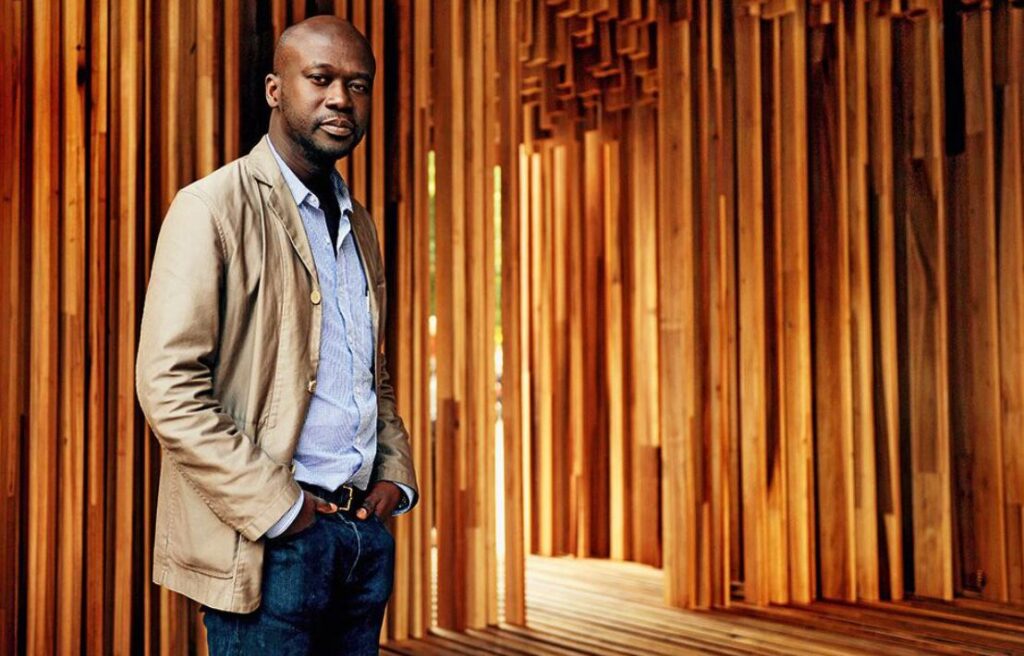
He is an award-winning Ghanaian-British architect who stands out as one of the most prominent architects of his generation due to his creativity and innovative use of materials, resulting in distinctive designs that are sensitive to their locations as well as being culturally responsive.
As a child, he travelled extensively across Africa and the Middle East due to his father’s diplomatic career, which allowed him to develop a high level of cultural sensitivity and exposed him to a wide range of architectural styles — influences that have significantly shaped his design approach.
He set up his own firm, Adjaye Associates, in 2000. Today, the practice operates internationally with offices in London, New York, and Accra.
In 2017, Queen Elizabeth II knighted him, and TIME Magazine named him one of the year’s 100 most influential people. He also received the RIBA Royal Gold Medal in 2021, regarded as one of the highest honours in British architecture for significant contributions to the field on a global scale. In 2022, he was appointed to the Order of Merit by Her Majesty the Queen in recognition of his distinguished service.
His childhood was shaped by his realisation of the inequities that his brother Emmanuel, who was partially paralysed, faced while visiting his specialised school. Adjaye commented on how inefficient, run-down and degrading the facility was. During his studies at university, he began to consider designing a facility to provide better care for disabled people — a moment he describes as life-changing. He concluded that architecture should serve people and, as a pervasive force in all our lives, should embrace equality.
He is renowned for designing several notable buildings across the globe, including the National Museum of African American History and Culture, Washington DC, USA, and the Abrahamic Family House, Abu Dhabi, UAE.

National Museum of African American History and Culture, Washington DC, USA
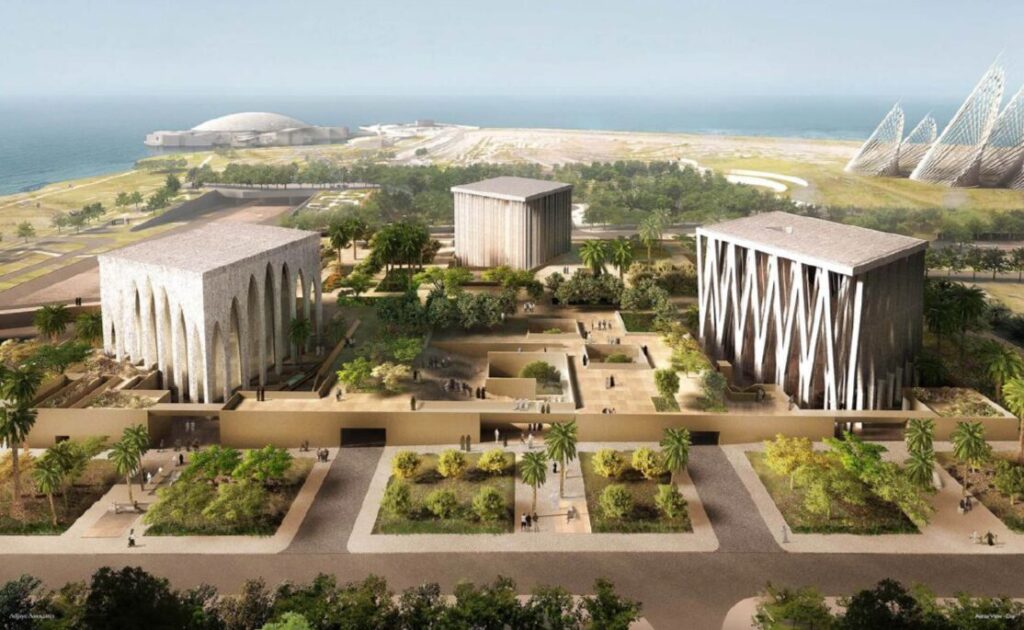
Abrahamic Family House, Abu Dhabi, UAE
Francis Kéré
He is a globally renowned architect from Burkina Faso who received the Pritzker Architecture Prize in 2022. Famous for his innovative approach to design and sustainable construction techniques, his desire to become an architect stems from a personal commitment to serving the community in which he grew up, as well as a belief in the transformative power of beauty.
His works utilise traditional construction techniques, local materials, and participatory design approaches to create architecture that is deeply rooted in its place. This allows his practice to exceed the boundaries of most established architectural studios.
In 2005, he founded Kéré Architecture, a practice informed by a dual focus on design excellence and social commitment. Their portfolio includes a diverse range of projects — from civic infrastructure to temporary installations — across various locations.
Notable projects include Gando Primary School in Gando, Burkina Faso, and the Benin National Assembly in Porto-Novo, Benin. The Gando Primary School was his first project, designed and funded while still a student at the Technical University of Berlin. He realised the scheme in collaboration with the people of his hometown and received critical acclaim early in his career, winning the prestigious Aga Khan Award for Architecture in 2004.
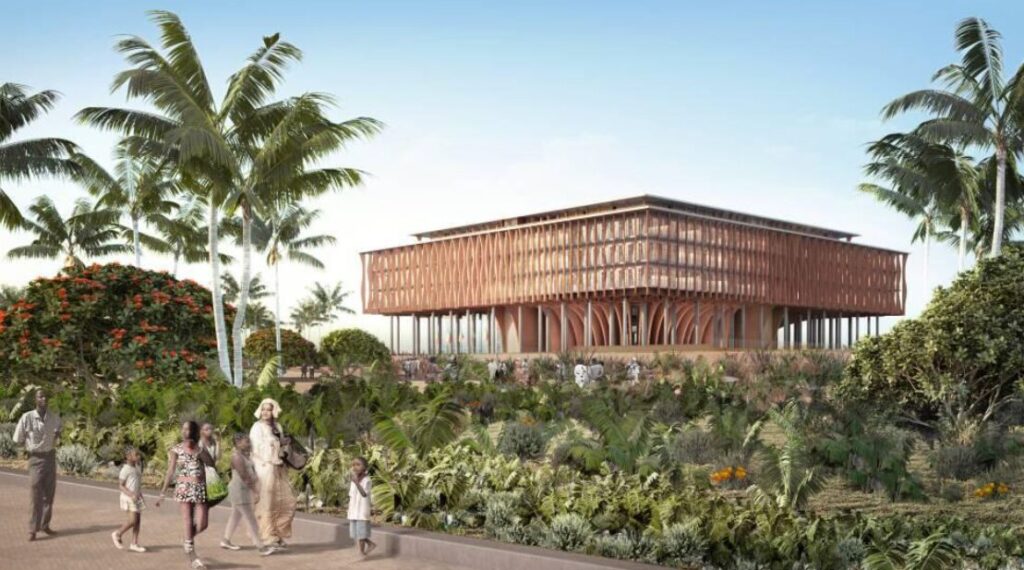
Benin National Assembly
 Gando Primary School
Lesley Lokko

She is a Scottish-Ghanaian architect who became the first Black woman to receive the RIBA Royal Gold Medal in 2024. Lokko, who curated the 2023 Venice Biennale, is widely regarded as one of the industry’s most committed champions for equality and inclusion.
She received the award not for her architectural works, but for her ideas, values, and teachings, which have had a profound influence on the design community — proving that she approaches things differently. As curator of the 2023 Venice Architecture Biennale, she brought Africa and its diaspora into the spotlight, delving into the intertwined concepts of decolonisation and decarbonisation.
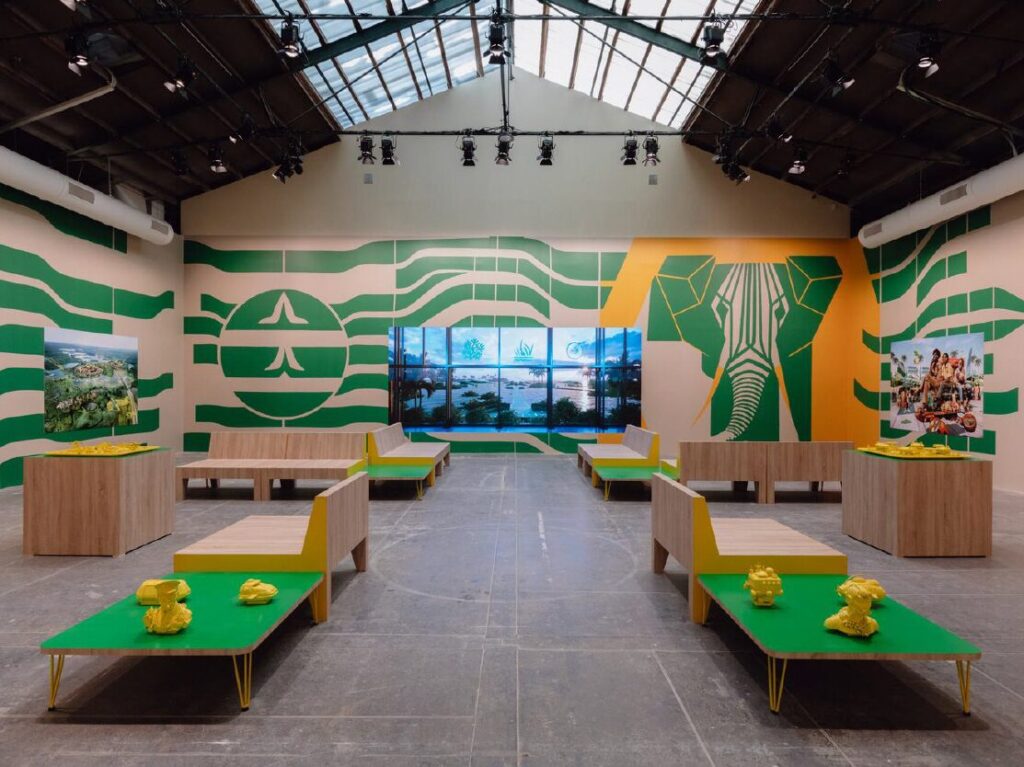
2023 Venice Biennale
Robert Robinson Taylor
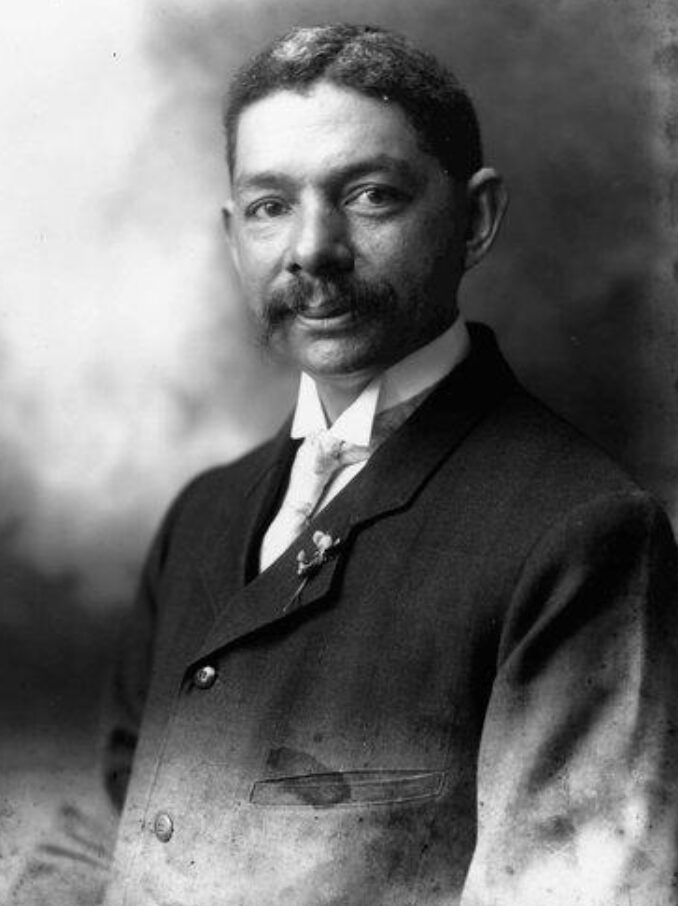
He was America’s first Black architect with formal education and credentials. Raised in North Carolina, he worked for his formerly enslaved father, Henry Taylor, as a carpenter and foreman. Taylor became the first Black graduate of the Massachusetts Institute of Technology (MIT) and was known as a high achiever, excelling in subjects such as architectural history, trigonometry, and mechanics.
He was recruited by Booker T. Washington to oversee the Tuskegee Institute’s industrial programme and campus expansion in Alabama. He taught at the institute while pursuing an architectural career, designing over 25 buildings on the Tuskegee campus, as well as libraries, housing, museums, and academic buildings across the United States.
His notable works include Dorothy Hall, the Women’s Trade Building, and the Carnegie Library at Tuskegee Institute. He lived a successful life for 40 years before passing away in 1942 in the hospital he had designed and built.
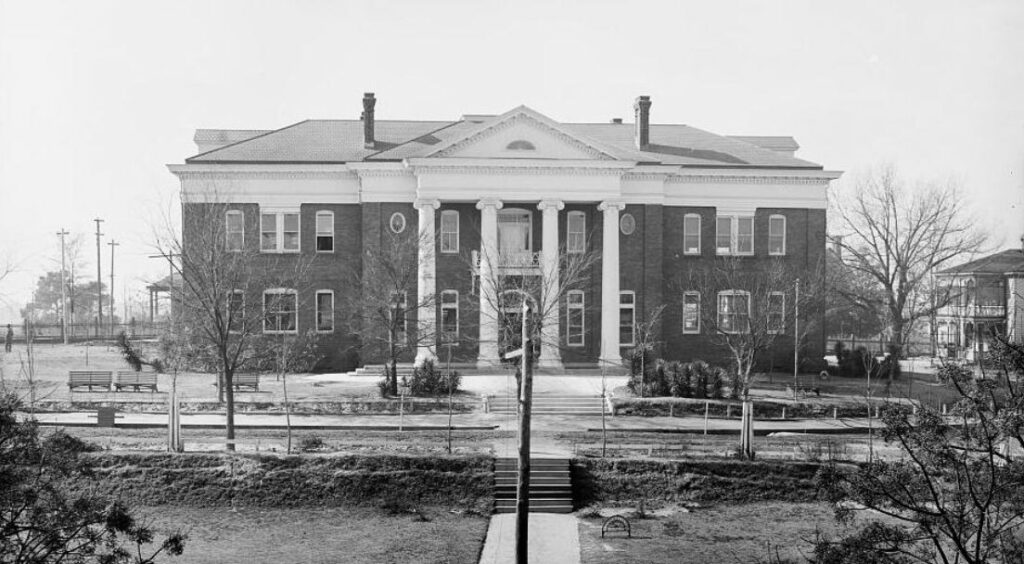
Carnegie Library at Tuskegee Institute
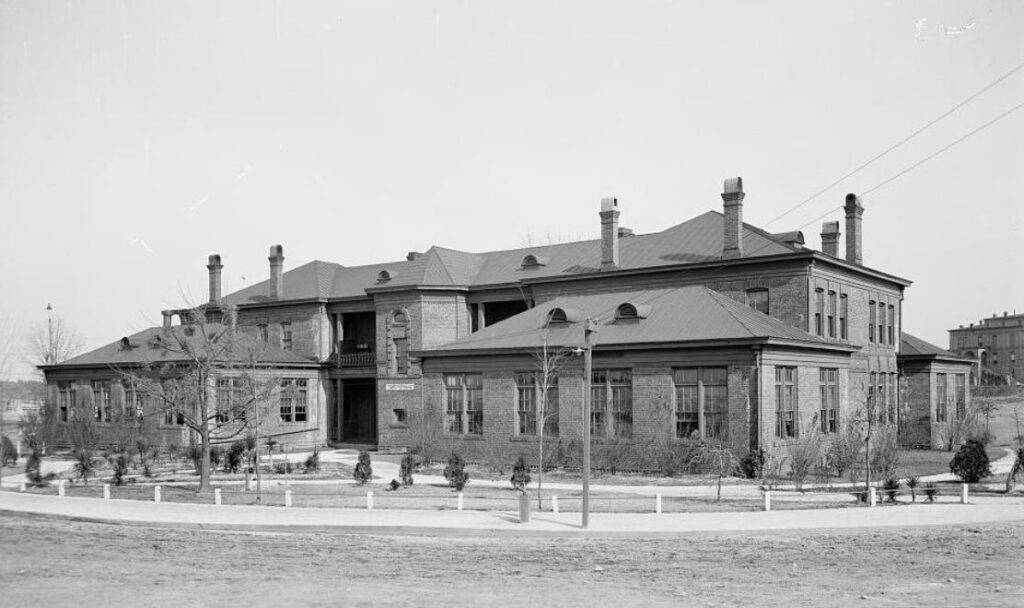
Dorothy Hall of Tuskegee Institute
Henry Wilcots
He is known for his close relationship with the renowned architect Louis Kahn, with whom he collaborated for around 20 years. Before meeting Kahn, Wilcots worked for a small American contractor designing military buildings in Dhaka, the capital of Bangladesh. Aware that his skin colour might limit his opportunities in the United States, he seized international opportunities instead.
He later joined forces with Kahn when the latter was appointed to design the National Assembly Building in Dhaka. Wilcots was instrumental in completing the project after Kahn’s sudden death.
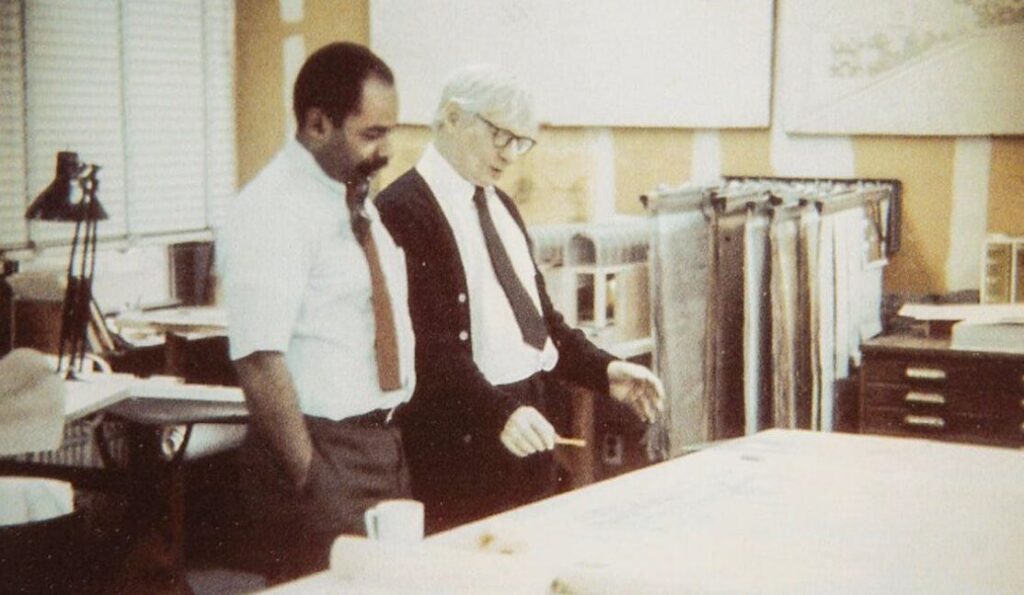
Henry Wilcots (L) and Louis Kahn (R)
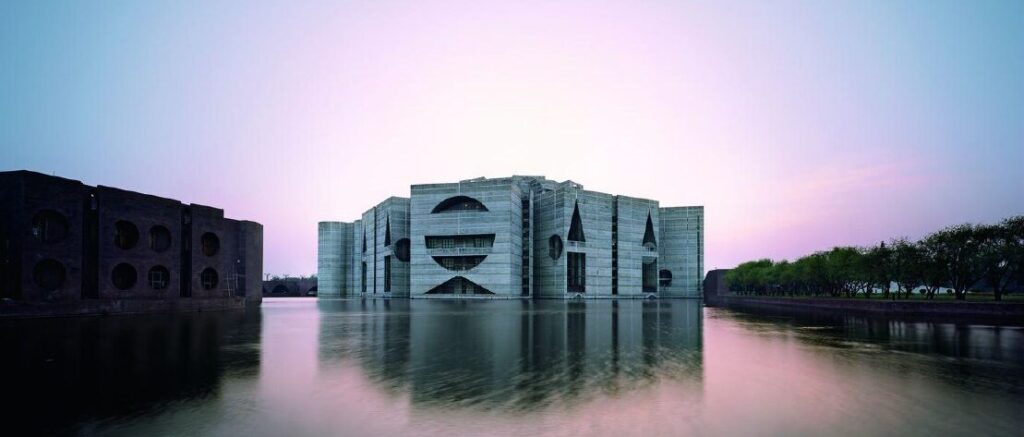
National Assembly Building, Dhaka, Bangladesh
Norma Merrick Sklarek
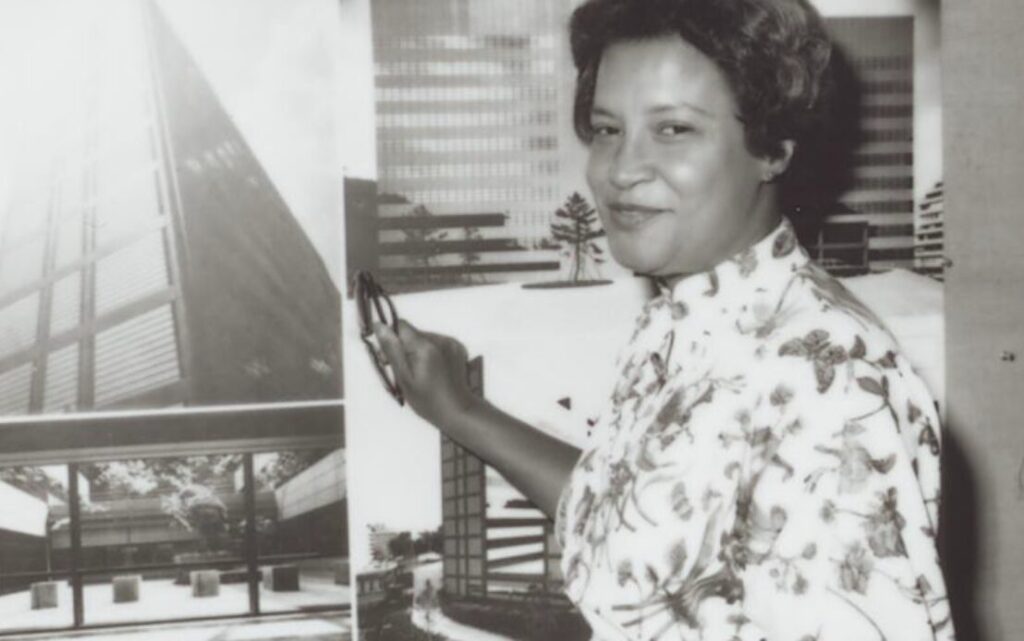
She was the first African-American woman to become a licensed architect in the states of New York and California, and the first Black woman to establish and run her own architectural practice. Achieving these milestones in the 1950s was remarkable — particularly for a woman of colour in an industry then dominated by white men.
Throughout her career, she contributed to major projects including the Pacific Design Center in West Hollywood, Terminal One at Los Angeles International Airport, and the US Embassy in Tokyo.
In an era when Black people faced significant racial challenges, it is fitting to honour her tenacity, intelligence, and bravery in breaking into the architectural field. She has even been described as the “Rosa Parks of Architecture.”
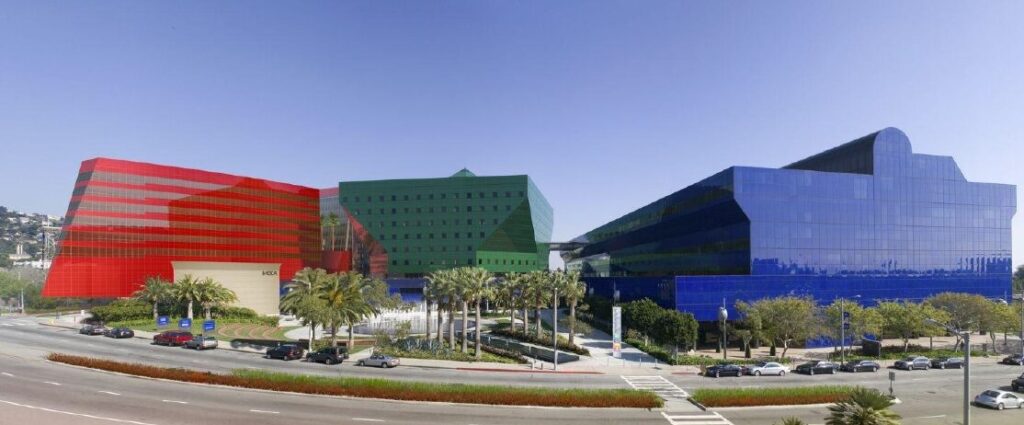
Pacific Design Centre
These professionals remind us how ambition can break barriers and create distinctive works of architecture that challenge convention. They also teach us vital lessons about striving for equality and inclusion — both in design and in the profession.
In a world where social, economic, and environmental sustainability has become crucial, their works stand as powerful precedents for future generations of designers to follow.
To take a look at the rest of the IMA team Click here