
Blog.
With the introduction of the RIBA Inclusive Design Overlay and the growing adoption of PAS 6463: Design for the Mind, we now have clearer, more holistic frameworks that challenge us to design beyond compliance. They encourage us to accept human diversity as an unavoidable and beautiful reality in the communities we serve.
Moving Beyond Compliance
For decades, accessibility in architecture was often reduced to a tick-boxing exercise for the provision of ramps, handrails, lifts, accessible WC’s, and accessible corridors. Despite their significance, these are the bare minimum.
Inclusive design, by contrast, asks deeper questions.
- Who are we designing for?
- Whose experience defines “normal”?
- Which users are missing from the conversation?
When we design only for the majority, we design poorly for everyone. When we design for diversity, we create places that function better for all.
The RIBA Inclusive Design Overlay: A Framework for Real Change
The RIBA Inclusive Design Overlay (IDO) is a significant addition to the RIBA Plan of Work 2020. Rather than treating accessibility as a compliance-based add-on, the IDO embeds inclusion from the very first conversation about a project through to occupation and long-term management.
It signifies a paradigm shift from “designing for the average user” to truly designing for the diversity of real people.
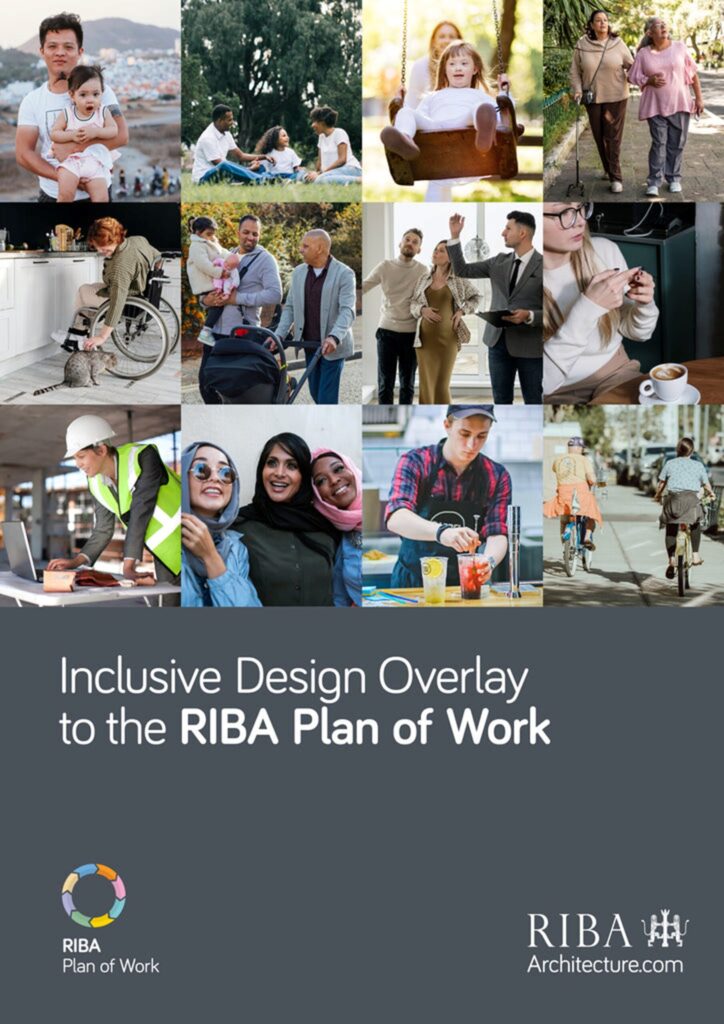
Fig. 1: Inclusive Design Overlay to the RIBA Plan of Work
Why This Matters During Disability History Month
Disability History Month asks us to think about the barriers disabled people still face — not just physical barriers, but social, sensory, and cognitive ones too. Many of these barriers are the direct result of design decisions made without diverse users in mind.
The IDO acknowledges this history and responds with a clear framework for doing better. It moves us from reactive adjustments to proactive and comprehensive inclusion.
What the RIBA Inclusive Design Overlay Does
The overlay introduces a number of important changes:
- A Clear Roadmap for Inclusion
For the first time, inclusive design tasks are mapped out across all RIBA work stages, ensuring accessibility considerations are built in from day one.
- Defined Roles and Responsibilities
Rather than relying on individual goodwill, the IDO outlines what inclusive design means for:
- Clients
- Design teams
- Project management teams
- Construction teams
- Asset management teams
This spreads ownership across the whole project team.
- An Inclusive Design Strategy
The IDO encourages teams to develop an Inclusion Strategy at the start of a project — setting ambitions, identifying users, and shaping the direction before design begins.
- Going Beyond Minimum Standards
Regulations alone do not guarantee usability. The IDO champions best practice and lived-experience insight, encouraging teams to exceed baseline requirements.
- Post-Occupancy Learning
It formalises inclusive design reviews and post-occupancy evaluations, helping teams understand what works well (and what doesn’t) in real-world use.
What This Means for Our Industry
The overlay aligns with broader movement across the built environment: a shift towards equity, social value, and user-centred design.
It helps answer questions we should all be asking:
- Does this space welcome everyone, regardless of age, mobility, neurodiversity, health, and other important areas protected under Equality Act 2010?
- Are we designing places that are intuitive, comfortable, and safe for all users?
- How do we ensure diverse voices genuinely shape our spaces?
The IDO makes these questions part of everyday practice — not additions.
PAS 6463: Designing for the Mind
While traditional accessibility standards focus primarily on physical access, PAS 6463 expands our understanding by addressing cognitive and sensory accessibility. This matters deeply for neurodivergent people, older adults, and anyone who navigates the world differently in terms of perception, processing or sensory regulation.
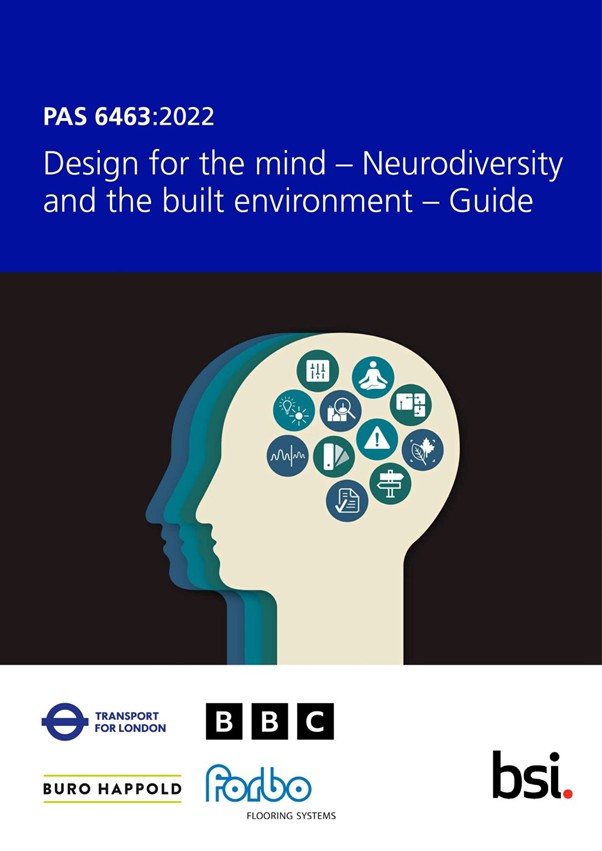
Fig. 2: PAS 6463: Designing for the Mind
PAS 6463 invites us to consider:
- Sensory load (light, acoustics, pattern, materiality)
- Cognitive clarity (wayfinding, legibility, spatial organisation)
- Predictability and comfort (avoiding disorientation, ambiguity, or overwhelming spaces)
- Access to quiet or low-stimulus zones
In practice, this framework helps us design environments that don’t overwhelm, frustrate or confuse—and instead support comfort, confidence and autonomy. It is one of the most positive and progressive standards to enter our field in recent years.
What This Means in Practice
For us as designers and consultants, these frameworks are not abstract. They invite tangible shifts in how we work:
- Running inclusive briefing workshops with lived-experience groups
- Considering sensory and cognitive needs in concept design, not only later
- Evaluating colour, contrast, materiality and lighting with neurodiversity in mind
- Creating clear user journeys with intuitive wayfinding
- Holding dedicated inclusive design reviews at project milestones
- Championing diverse voices within our own teams
These shifts are not onerous—they are simply part of designing well.
EDI and Design Culture: Two Sides of the Same Coin
When we include various viewpoints, both within and outside the studio, we challenge assumptions. We question the idea of the “typical user.” We unearth insights that result in improved design.
Inclusive design is not the job of a single specialist or access consultant. It is a common perspective, a group commitment, and a cultural attitude of curiosity and humility.
Most notably, designing with diversity can enrich our creativity and the projects we deliver.
This Disability History Month: A Call to Action
Disability History Month is not only about looking back. It is about looking forward—to a built environment rooted in dignity, autonomy and belonging.
The tools are now firmly in our hands. The RIBA Inclusive Design Overlay gives us structure; PAS 6463 gives us depth. Our responsibility is to use them boldly, consistently, and with humanity.
This month, let’s commit to designing spaces that reflect the richness of the people who use them. Spaces that don’t merely allow access, but actively support wellbeing and fosters belonging.
If you are interested in inclusion-focused design, please get in touch.
To take a look at the rest of the IMA team Click here