
Blog.
Women in Architecture: The Drop-Off Begins Early
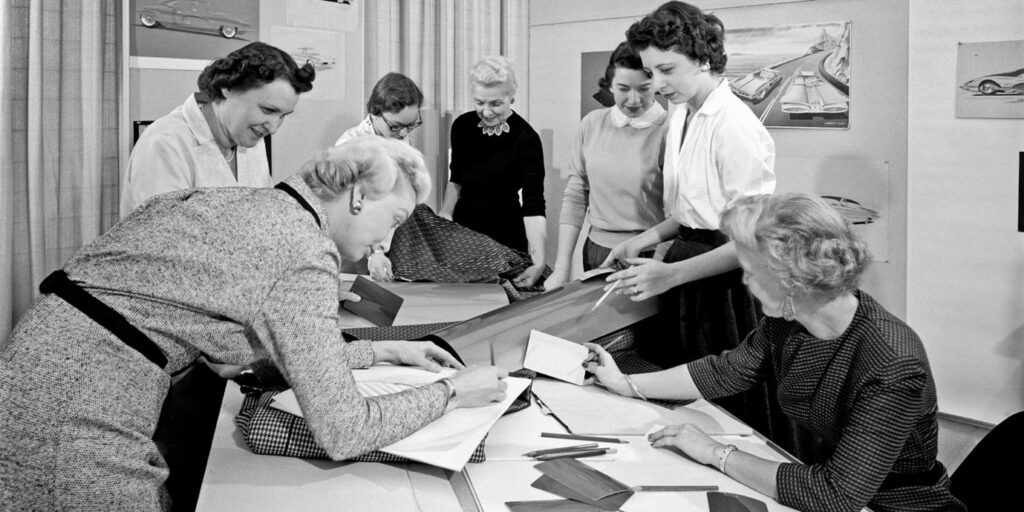
When I began studying architecture at the University of Lincoln, my Part 1 cohort included a strong and visible mix of male and female – a pattern that was common across many UK Part 1 architecture programmes. Women made up a substantial proportion of my classmates, bringing energy, creativity, and diversity to studio culture and academic discourse. My Part 2 cohort at the University of Nottingham, in fact, had a female majority; however, this balance was not reflected within the profession, where representation had already begun to shift.
This isn’t just personal experience – it’s backed by data.
According to the Royal Institute of British Architects (RIBA) 2025 Benchmarking Executive Summary, medium sized practices are still experiencing a 60/40 split in male to female staff, with smaller practices increasing to a 65/35 split which shows little or no improvement on the previous years reporting.
Currently, 31% of UK architects are female (ARB, 2023) and even more strikingly, only a fraction of women in architectural firms rise into senior leadership roles. Reports suggest that in many practices women make up 15-18 % of senior leadership (Bahar, 2025).
This phenomenon – sometimes called the “leaky pipeline” – shows that although women are joining architecture in strong numbers, they are disproportionately dropping out before reaching later stages of qualification and leadership.
Why Does the Drop-Out Happen?
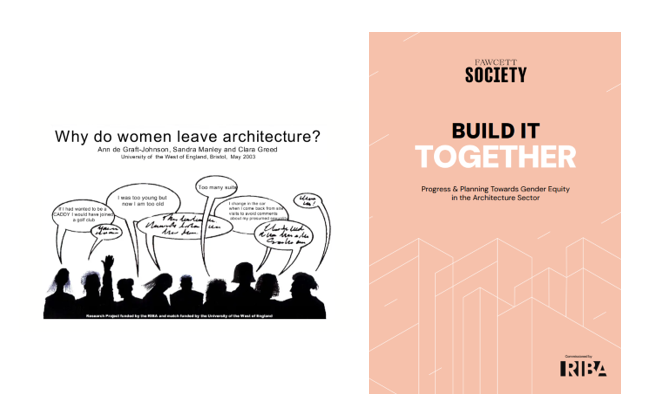
In 2003, RIBA published a study entitled “Why do women leave architecture?”. The report found that women were not leaving because of lack of ability or academic performance. Instead, a combination of workplace and cultural factors discouraged them from staying in the profession. Overall, the report concluded that the profession was organised around traditional male career patterns, systematically pushing many qualified women out despite their skills and interest in remaining in architecture.
20 years on, RIBA has revisited the topic in there “Build it Together” report. The report finds that many of the same barriers identified two decades ago still hinder women’s careers in architecture today.
The reality of today is that women continue to face the same issues of unequal pay, barriers to progression, and workplace cultures that exclude those with caring responsibilities.
Build It Together doesn’t just document problems – it makes 47 recommendations for systemic change, including more robust HR frameworks, transparent promotion pathways, flexible working practices, mentoring networks, and RIBA‑supported tools and guidance, and sets out an action plan to begin addressing several of these within the next year.
Change must be accelerated to prevent the continued loss of talented women from the profession.
Looking Up: Why Representation Matters in Architecture
As a Level 7 architectural apprentice, my route into the profession has been shaped as much by the people I’ve encountered as by the projects I’ve worked on. Balancing academic study with practice has given me early exposure to the realities of the profession – but it has also highlighted how important visible role models are, particularly for women in architecture.
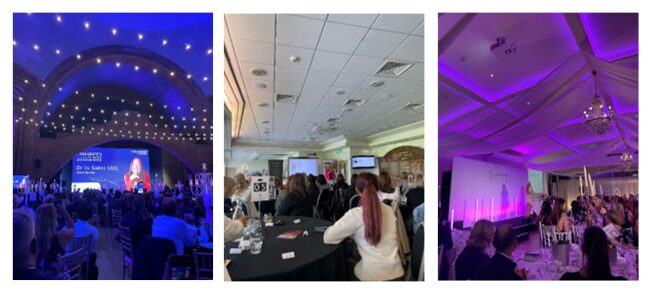
Throughout my apprenticeship journey, I’ve had the opportunity to engage with women’s awards events, industry talks, and inspirational keynote speakers who openly share their experiences of practice. Hearing women speak honestly about leadership, sustainability, confidence, failure, and success has been incredibly powerful. These spaces don’t just celebrate achievement; they make success feel possible.
Seeing women recognised at awards ceremonies – whether for design excellence, social impact, or leadership – helps challenge outdated perceptions of who an “architect” is. It reinforces that there is no single path, personality, or background required to succeed in this profession. For apprentices and early-career architects in particular, this visibility is vital.
Architecture can be an intense and demanding career, and moments of self-doubt are common. Having people to look up to provides reassurance that those doubts are not a barrier, but part of the journey.
On International Women’s Day, it feels especially important to recognise that representation isn’t just about visibility at the top but about accessibility at every stage. When apprentices, students, and young professionals can see people like themselves reflected in the profession, it strengthens confidence, ambition, and resilience.
Looking ahead, I hope to continue supporting and championing spaces that celebrate women in architecture – not only to acknowledge how far the profession has come, but to help ensure that the next generation has even more people to look up to.
If you want to read more about the Build It Together initiative, see link below:
To take a look at the rest of the IMA team Click here