

Blog.
Brussels
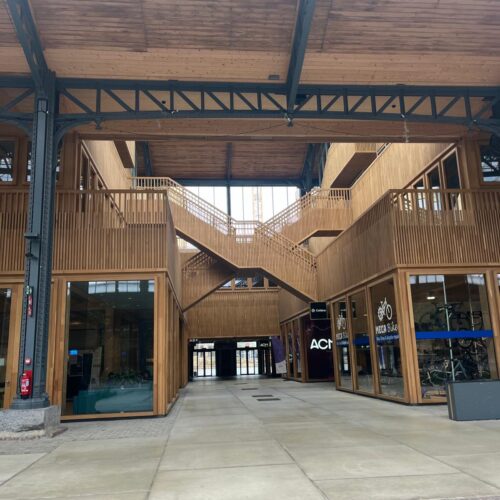
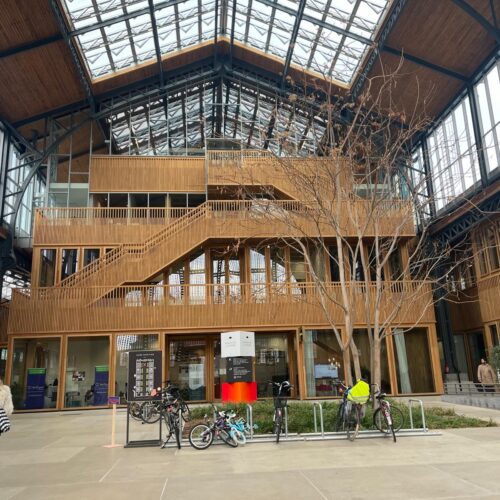
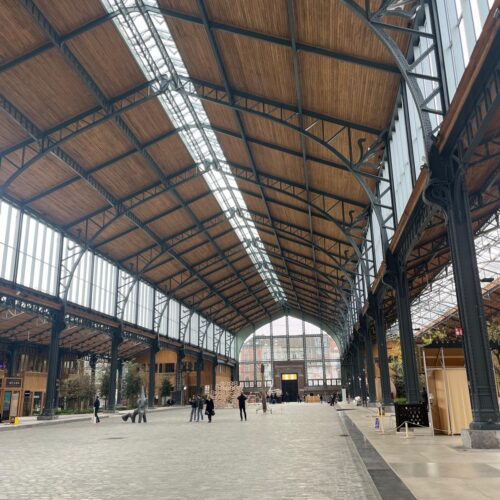
Our journey began in Brussels, a city undergoing a remarkable architectural renaissance. One of the standout visits was to Gare Maritime, a former freight station reimagined into a multi-functional hub that blends offices, shops, and public spaces. The project’s use of timber and integration of greenery within the steel skeleton of the original structure showcased how sustainable design can revitalise old spaces while creating something fresh and inspiring.
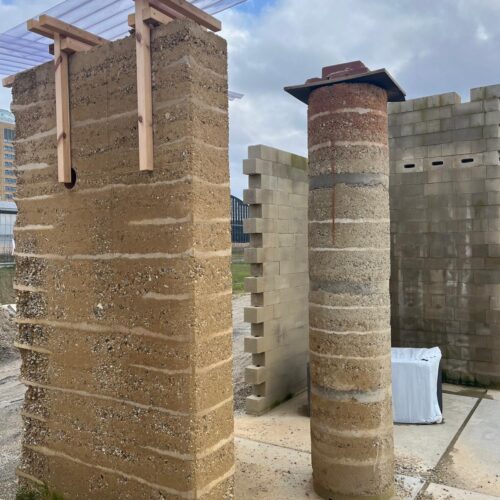
Next, we visited BC Materials, a company redefining sustainability by turning local excavated earth into construction materials like clay plasters and compressed earth blocks. Seeing their process in action was both fascinating and humbling, as it underscored the potential of rethinking what we consider waste. Their innovative approach is a reminder of how sustainability can start with the simplest of materials—literally, the ground beneath our feet.
Another memorable stop in Brussels was KANAL – Centre Pompidou, a cultural hub set in a former Citroën garage. The project, though still in development, embodied the principles of adaptive reuse on an enormous scale. The idea of transforming an industrial space into a dynamic centre for art and culture was a powerful statement about the potential of architecture to reimagine and repurpose.
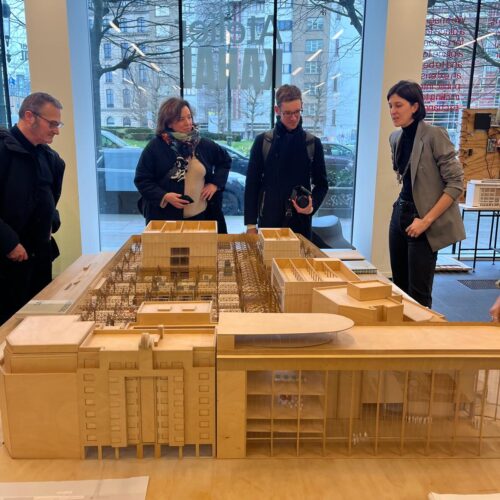
Ghent
From Brussels, we travelled to Ghent, a city where the past and future collide in the most beautiful ways. The Ghent Ballet School exemplified this balance, blending elegant restoration with modern functionality to create a space where creativity can flourish. Another standout was Duivelsteen, a medieval fortress undergoing redevelopment into a mixed-use space. This project highlighted the importance of breathing new life into historical structures while respecting their original character.
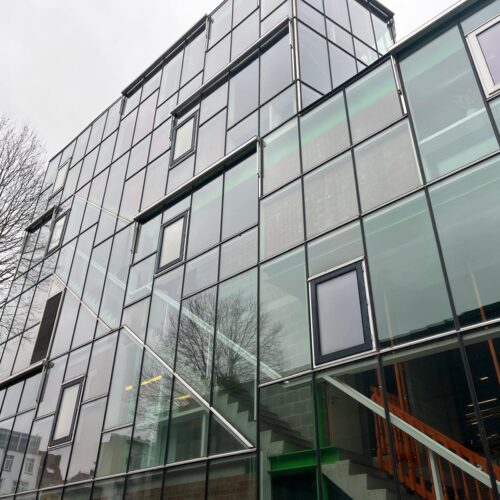
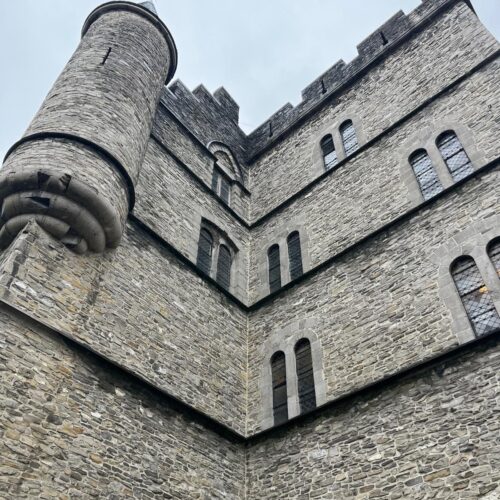
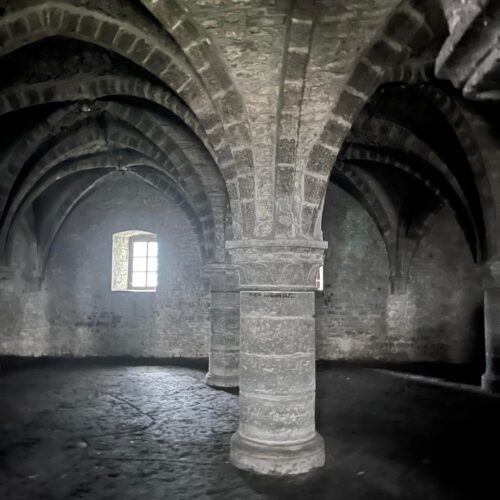
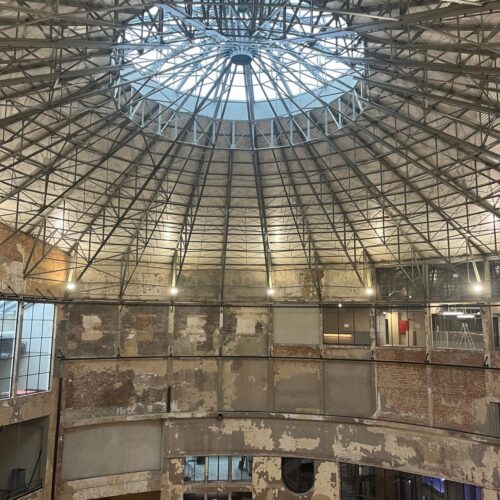
The Mahy Wintercircus was perhaps the most unique project in Ghent. Originally a circus, then a garage, and now being transformed into a cultural hub, its circular form and layered history made it an architectural marvel. Walking through its evolving spaces, I was struck by the sheer creativity required to adapt such a specific building type.
Hasselt
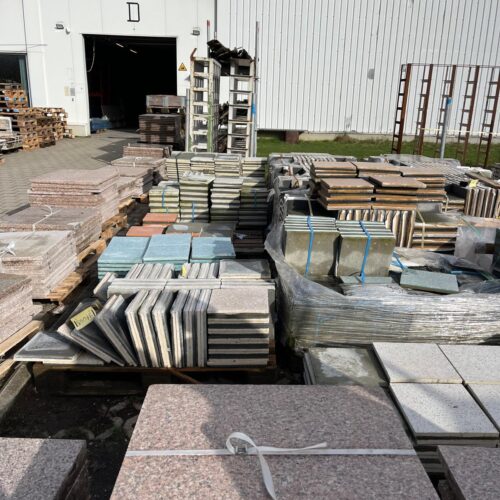
Our next destination was Hasselt, where the theme of adaptive reuse reached a whole new level. On the way out of the city at Rotor DC, we explored their groundbreaking work in deconstruction and material reuse. Unlike demolition, Rotor’s process involves carefully dismantling buildings and salvaging materials for reuse in other projects. Walking through their warehouse felt like discovering a treasure trove of possibilities, where discarded components could become the foundation for something entirely new.
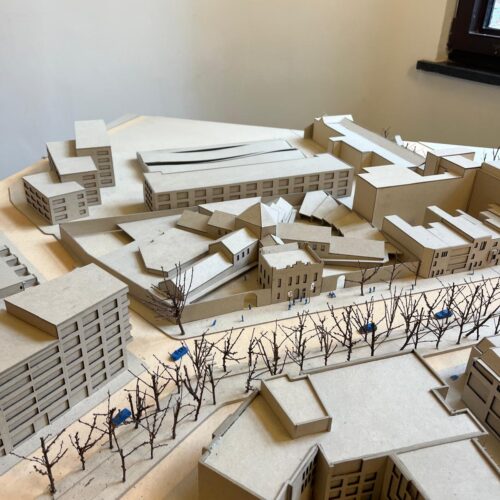
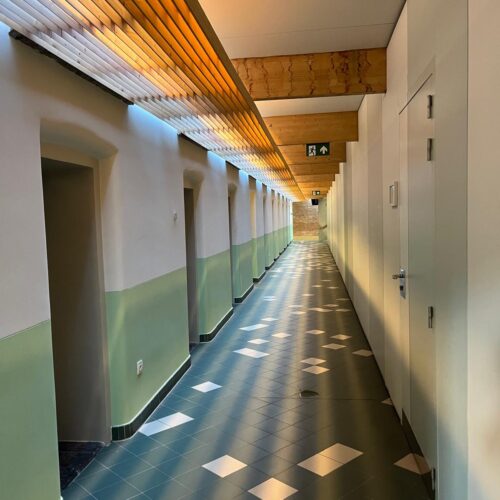
But the real star of Hasselt was the Hasselt Law School, a stunning example of adaptive reuse with an unexpected twist. This modern, light-filled building was once a prison. Standing in what used to be a space of confinement, now transformed into a centre of education, was a poignant reminder of how architecture can completely reshape the meaning of a place. The original prison courtyard is now a peaceful communal space, while the old cells have been adapted into seminar rooms, offices, and other functional areas. It’s a striking juxtaposition of old and new, and a brilliant example of how thoughtful design can redefine a building’s purpose while honouring its history.
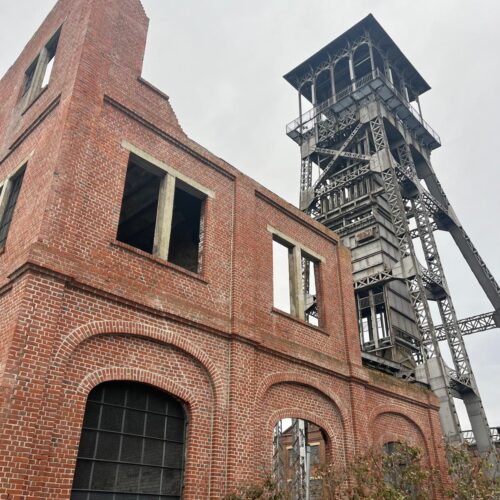
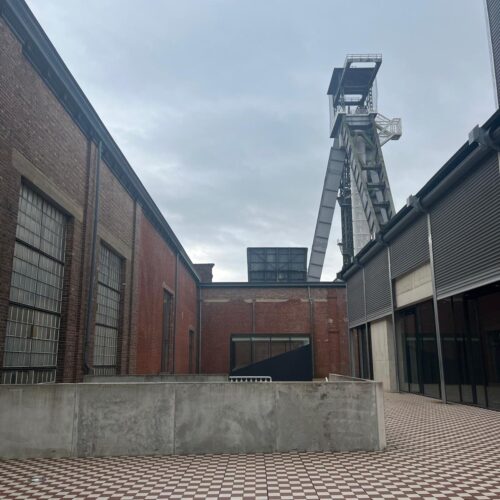
Our final stop in Hasselt was C-Mine, a former coal mine turned creative and cultural hub. The industrial roots of the site are still evident in its robust structures, but its current use as a space for art, design, and community activities brings an entirely new energy to the area. It’s another example of how Belgium is leading the way in preserving its industrial heritage while creating spaces that inspire.
Bruges
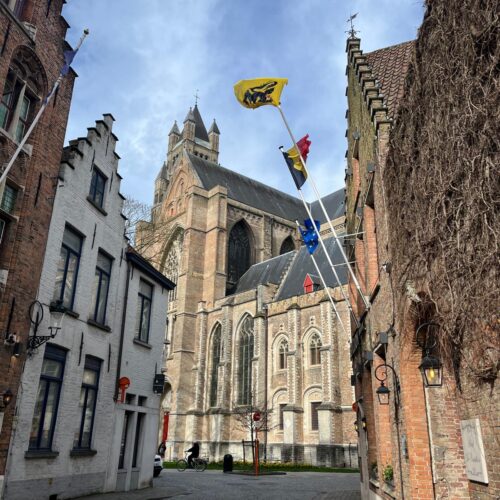
The trip wouldn’t have been complete without a visit to Bruges, often referred to as the “Venice of the North.” Though unplanned, this spontaneous stop turned out to be one of the most memorable moments of the journey. Bruges is a living museum of medieval architecture, with its cobblestone streets, canals, and gabled houses offering a glimpse into the past. Yet, even here, the principles of sustainability and preservation were evident. The city’s careful maintenance of its historic core showed how thoughtful restoration can keep history alive while creating spaces that continue to serve modern needs. And, of course, no visit to Bruges would be complete without sampling its culinary delights. The hot chocolate I had there was, without exaggeration, the best I’ve ever tasted – proof that Belgium’s commitment to quality extends far beyond architecture.
Throughout the trip, the common thread was sustainability—not as an afterthought, but as a guiding principle. From the reclaimed materials at Rotor DC to the adaptive reuse of iconic buildings like Gare Maritime and Hasselt Law School, every project showcased how architecture can address environmental challenges while honouring history and enhancing communities.
This trip has profoundly shaped my understanding of what it means to be an architect in today’s world. It’s not just about aesthetics or functionality; it’s about responsibility—both to the environment and to the communities we serve. The projects we visited in Belgium demonstrated that sustainability isn’t just a goal; it’s a mindset, a way of thinking that should inform every decision we make.
As I reflect on the journey, I’m filled with gratitude for the opportunity to learn from Belgium’s rich architectural landscape. From the adaptive reuse of medieval buildings to the innovation of sustainable materials, every experience has reinforced my commitment to creating spaces that are not only beautiful and functional but also thoughtful and responsible.
And if there’s one lesson I’ll take with me (apart from the fact that Belgian fries and chocolate are unrivalled), it’s that the future of architecture lies in finding harmony—between past and future, between creativity and sustainability, and, occasionally, between a cone of fries and a hot chocolate.
This blog was created by Sofia Coviello.
To take a look at the rest of the IMA team Click here